
- Category: Information
- Status: Complete
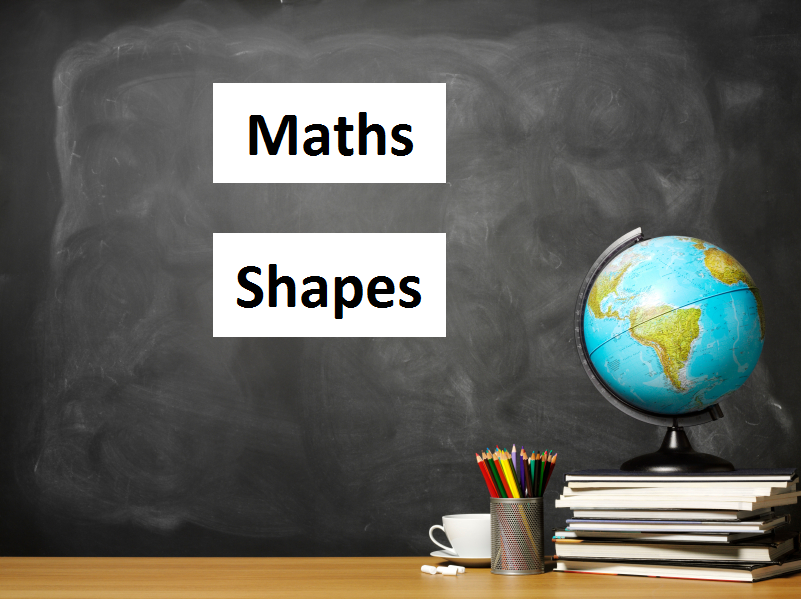
Subjects And Topics
When teaching a student who is at the level of non-verbal and autistic it is so important to give them this information firstly at the start of every lesson (before the lesson itself commences) and secondly at a level they will understand so that over a period of time they can really develop an understanding through the frequency of a regularly structured routine that role models this type of information.
Q. So why then specifically are Subjects and Topics so important to teach to students who are at the level of non-verbal and autistic?
A. Subjects and Topics are so important to teach because:
- They are informative.
- They create an understanding.
- They build bridges that connect information.
- They catalog information by separating it into groups that make it more manageable and easier to understand.
- They enhance short term learning while developing long term understanding.
Subjects And Topics Are Informative
Imagine being taught at school without ever having the understanding to know that; even though each lesson is different all the information you are learning is being filed into one single category of information without ever being broken down into smaller digestible amounts or being filed into the relevant categories because you have never been presented with the relevant information that would enable you to develop this level of understanding and so therefore what you are learning is just being filed as one great mighty category or mass of information that never ends with no named boundary markers to distinguish the categorical differences or a way to draw a line between the various areas of information being studied.

Subjects And Topics Create An Understanding
When this information is labeled appropriately as Subjects and Topics it becomes digestible forming a creative understanding like a virtual folder of information within each students thought process which then links; the work they complete in their lessons to those important names associated with the work (Subjects and Topics). This then enables the student to find some closure in knowing that; when a lesson ends a line of divide can now separate each area of study through the students progressive understanding of Subject and Topic information allowing them to develop the process of mentally labeling and filing the information they have learned within separate categories; which otherwise is like a ticking time bomb of emotional discord waiting to explode by creating an overwhelming feeling that; the information being taught is just one mighty mass of data that just keeps piling-up getting bigger and bigger which will have the knock-on effect of:
- Limiting the students ability to process information.
- Limiting the students ability to understand information.
- Holding the student back from ever achieving their true potentials.

Subjects And Topics Build Bridges That Connect Information
Even if the student starts out with no knowledge or understanding at all in relation to the meaning of each Subject and Topic being studied, by giving them this information (Subject and Topic) everyday as part of a routine at the start of each lesson throughout the day will help them building those important connections in knowing that; each time they see and hear the Subject and Topic information their studies will commence in a certain way which in turn builds familiarity through this process of routine by; the words they are seeing and hearing in relation to the work in which they are participating and therefore making it possible for them to develop a healthy knowledgeable understanding in being able to mindfully identify; what work they will be expecting to study from the moment the Subject and Topic information is announced to them.

Subjects And Topics Connect Information By Separating It Into Groups
In the short term, when both the Subject and Topic information change the student starts beginning to understand that the work they are completing is not just different but that it is also labeled differently and over a period of time using this method for role modeling will teach students how to cataloged information by using this type of thought processing which in turn will develop categorical understanding that makes it possible for all kinds of information to be both manageable as well as connected, digestible and understood.
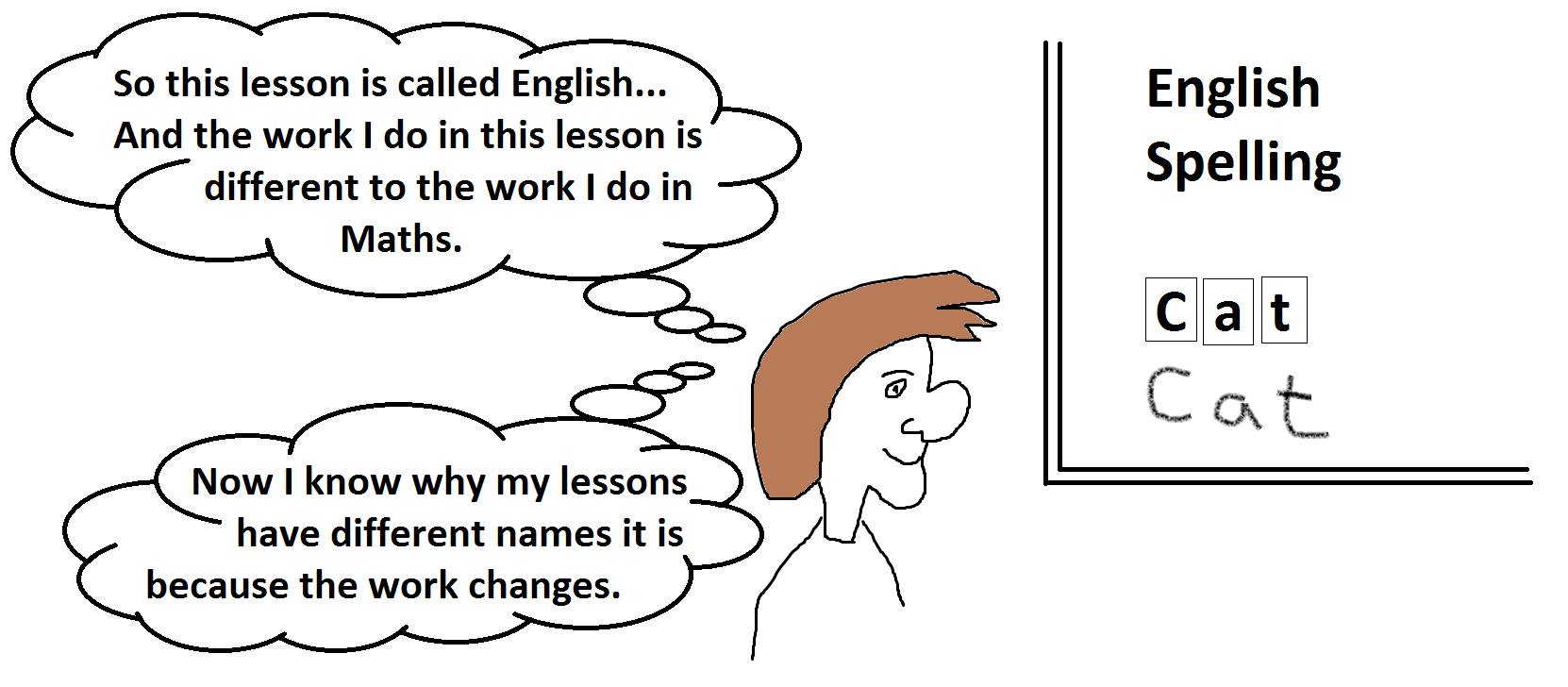
Subjects And Topics Enhance Short Term Learning While Developing Long Term Understanding
When each Subject and Topic loops back round and the student continues working while being made aware of this information connections then start to form and bridges are built which make it easier for the student to understand that; the work they are doing this time connects to the same work they were doing last time and now this information can be filed along with the last lot of information they learned in this area (rather than separately with a disassociated meaning or together with everything else in its entirety where the meaning becomes lost because there is both no relevant connections or meaning when information is given and processed as such a large disjointed quantity). By having a really clear and well defined standout process of presenting Subject and Topic information makes the continuation of work feel joined, whole, more rounded while making its application so much more useful and effective in helping the student to become more confident, practical and proactive within each area of study by their new found categorical understanding of information.

Additionally the Long Term Learning in this area will develop when the student is taught specific information that they may or may not fully understand (at the point where the learning process begins) but with a consistency of routine practice over a long period of time will come an enhanced understanding with new abilities (that often go way beyond the anticipated scope of outcome) to support levels of intelligence that will evolve through the practice and participation of study which in short are the key elements or building blocks to unlocking this developmental process (and if the student in question is at the level of non-verbal and autistic it will often fall to those role modeling people who participate within the students life to deliver this type of structure appropriately by initially teaching this information at a basic level the student can begin to understand; as very often students themselves with such levels of difficulty will most likely not yet be able to understand and appreciate the importance or value in taking such steps or even how to begin taking them without the support of their role models who have the ability to help them achieve such inspiring goals).
Q. How then would you start teaching this information to a student at the level of non-verbal and autistic?
A. The following article has a video tutorial and discusses methods, techniques including; how and when to teach this information – give it a click to find out more:
Teaching Subject And Topic Information (Autism Help)
© AORPETE LEARNING

